
Stop Sharing Fake Information - Know Your Responsibility
- Covid-19
-
 Uncoverstory .
 - April 13th 2020
Like any other country across the world, India is also fighting the battle against the deadly virus – coronavirus. Every day, one hears or reads about the rapid spread of the virus within the country, death due to the virus, and how people are violating social distancing and isolation. It is not only the news channels but also social media platforms that keep us updated with the latest news. However, some people share false information and create panic.
Recently, there was false information on how police can arrest you if anything against jokes, memes, news, etc. are shared through social media platforms, especially in a WhatsApp group. This did make few people block people in their groups to respond or comment. Even though such news is fake, they are believed to be accurate by many.
In the time of the pandemic, it has become indispensable to stop sharing false information or news. It is also essential that such information is identified.
Why can Fake Information be a Threat?
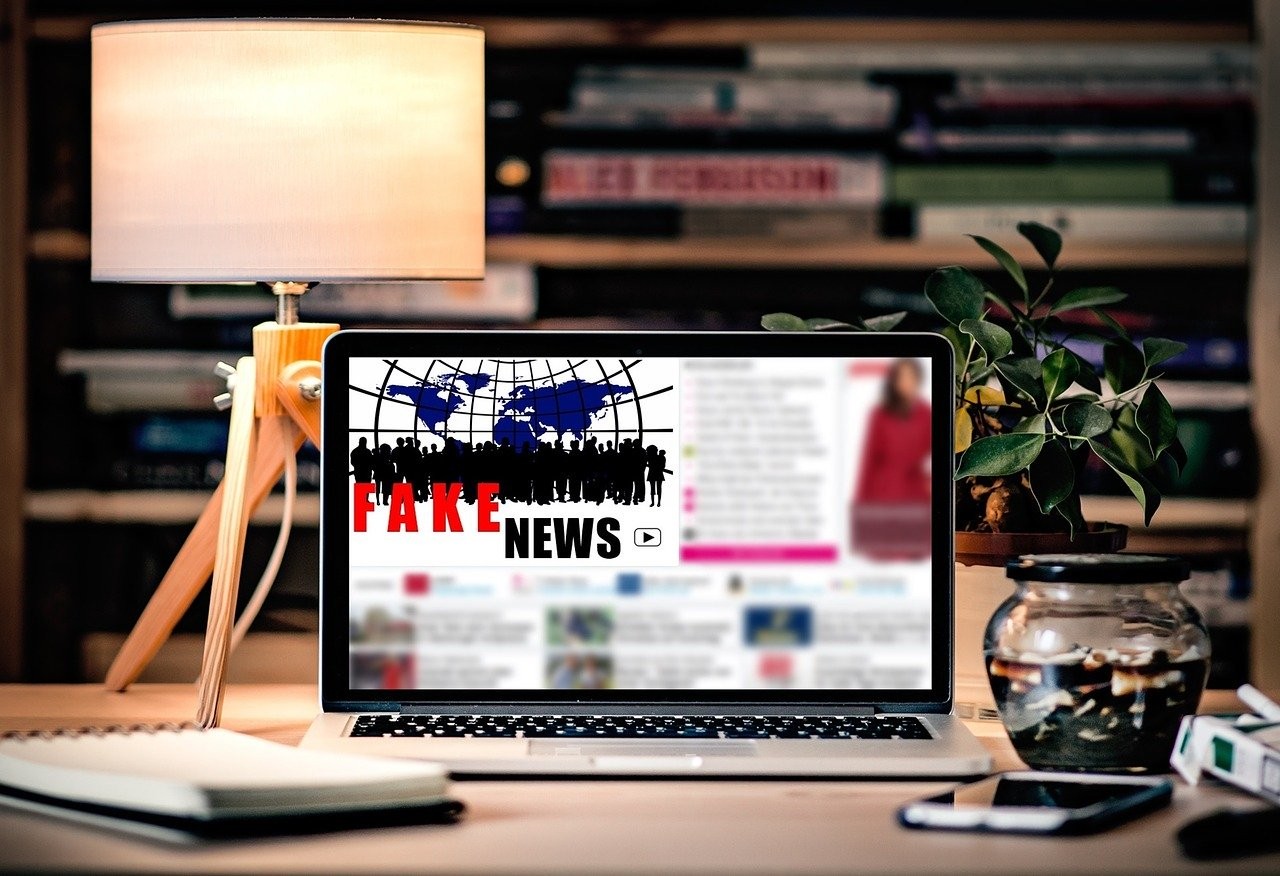
Apart from getting fake news on potential arrests, there is news of how celebrities are getting infected with the virus and the sources of getting infected. But apart from these, news on the cure of the infection has led to a worrying factor.
People tend to try these curing methods that could be dangerous for them. In one such case, a man ingested himself with a fish cleaning product that killed him. Such rumors must be stopped so that no more lives are lost due to a fake cure, as there is no proven cure or prevention for this virus.
How to Identify Fake Information on Social Media?
Sharing information on social media platforms such as WhatsApp, Facebook, Instagram, etc. can be fun. But it is essential that such information is validated and considered valid. Here are some tips and key points that can help you identify fake news.
Look at the photo properly: When you receive an image or picture or even a snapshot, look at it very carefully. Many of these photos are edited and hence, should not be believed. If you still feel that the picture that you have received is accurate, then try to Google the news. If it appears in many places, then it is true.
Look for the sources: Make sure that the source that you are looking at is not fake. There can be sources that are created just to spread fake news. So, check their websites or try searching on them on the internet.
Fake social media accounts: Do not believe in phony media accounts. Fake accounts on Facebook and Instagram are usually tracked by them and deleted almost instantly. If they haven’t been removed, you can always report such statements. They will remove the account immediately.
Check for language and spellings: Usually, those who create such fake information do not check the language and spellings. So, check the spellings and communication that has been used in these forwards. If you find them wrong, then it is false information.
False information can go viral: When you get a forward from someone, especially if its related to coronavirus, you want to forward it to the people you know. They then deliver it to other people making it viral. So, avoid sending such messages. Also, when you get it, make sure that you inform the sender about it being fake so that it is not shared further.
How is Social Media Platforms Tackling such News?
Fake news can spread anxiety, fear, and stress, especially when they go viral. Social media platforms are trying to tackle such communication and information and using different methods to stop such news or information from spreading.
Twitter made sure that the users do not circulate fake news. It also made sure that its users are searching for the right information by accessing reliable sources such as the World Health Organization (WHO). It created an algorithm to detect false keywords used concerning the pandemic.
Facebook also used algorithms to track irrelevant information related to the virus. It also ensured that such posts are not posted and removed. It also used this algorithm for Instagram. WhatsApp has launched a beta feature that gives a chance to its users to check the authenticity of the news. Government and WHO are making use of this platform to use as a chatbot.
So, make sure that you do not believe anything that is being sent to you and validate the facts through reliable sources.













Leave a Reply